Water softener & filtration in Alpine, CA.
Water softener installation and repair, whole-house filtration, salt-free conditioning, and reverse osmosis across Alpine. Filter Pros San Diego connects you with a separately licensed provider, and the process starts with a free in-home water test.
What Alpine water projects actually look like
Water planning in Alpine starts by determining whether the address receives public water or uses a private well. For public water, identify the utility on the bill and review its current consumer confidence report and notices. For a private well, review the well records and use a state-certified laboratory for health-related testing. A free in-home screening can evaluate basic aesthetic and operating parameters within its stated scope, but it is not a laboratory safety clearance.
Properties around Alpine village, Tavern Road area, South Grade Road area, Victoria Drive area, Alpine Highlands, Alpine Heights, Marshall Road area, and I-8 corridor can differ in source, well construction, plumbing, pressure, flow, and equipment space. The same address-first approach applies toward Lakeside, El Cajon, and Descanso. Visible staining, odor, or scale can help define a question, but testing is needed to identify the cause and select treatment.
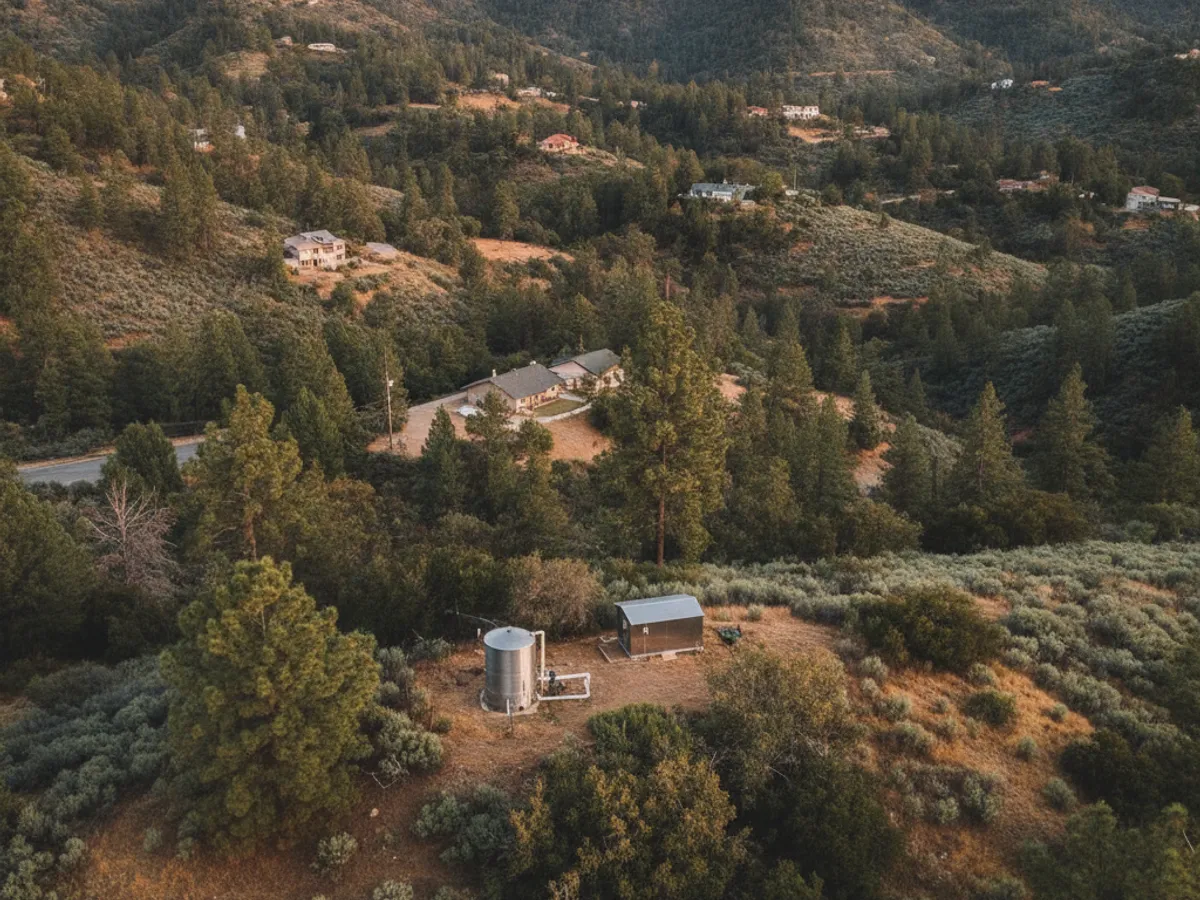
What does Alpine water need?
Do not assume every mountain or backcountry property uses a private well. Confirm the water source first. If the property has a well, use a state-certified laboratory and ask local health or environmental officials which tests apply. Treatment should match the identified issue, with follow-up testing when needed to confirm that it works.
Working details for Alpine water systems
For a private well, CDC recommends annual testing by a state-certified laboratory for total coliform, nitrate, total dissolved solids, and pH, plus additional tests advised by local health authorities. If harmful contamination is found or suspected, use another safe source, correct the source when possible, choose treatment for the identified result, and retest before resuming use.
Treatment should follow the measured concern and exact-model evidence. Ion-exchange softeners reduce calcium and magnesium hardness; salt-free conditioners do not remove hardness. Iron, odor, pH, sediment, and microbial concerns require separate identification, and no generic equipment sequence fits every well. Compare certified claims, capacity, flow, pressure, installation requirements, maintenance, and warranty. About 31.6% of Alpine homes were built before 1978 per Census ACS figures, so the independent provider should inspect the actual supply line and tie-in and provide the written quote and scope.
Neighborhoods covered near Alpine
- Alpine village
- Tavern Road area
- South Grade Road area
- Victoria Drive area
- Alpine Highlands
- Alpine Heights
- Marshall Road area
- I-8 corridor
How much does a water system cost in Alpine?
A whole-house water system in Alpine is priced by treatment goal, exact equipment, flow and capacity, plumbing work, permits when applicable, and the maintenance plan. Compare what each proposal treats and which certified model claims support that scope.
Filter Pros San Diego connects you with a separately licensed provider. Ask that provider for a written quote identifying the equipment, installation work, replacement parts, maintenance, warranty responsibility, and total price before work begins.
Water softener service, installation, and repair in Alpine
A water softener uses ion exchange to remove calcium and magnesium hardness. Before choosing one for a property in Alpine, confirm the water source and measured hardness, then compare rated capacity with household water demand. The separately licensed provider should also explain regeneration controls, water and salt efficiency, installation requirements, and the manufacturer's maintenance schedule.
If an existing unit is not producing the expected result, ask the provider to diagnose the equipment and compare repair with replacement in writing. A salt-free conditioner is a different category: it does not remove hardness ions. Compare its exact scale-reduction claim with the result you want before treating it as an alternative to softening.
What water services are available in Alpine?
We connect Alpine homeowners with separately licensed providers for the service categories shown below. Confirm availability, exact equipment, and scope for your address.
Start with the concern you want to address and the report for the utility serving your address. The provider can explain what the free in-home test covers, when laboratory testing is appropriate, and which exact model claims match the proposed treatment.
What do Alpine homeowners ask about their water?
How do I know if my Alpine well water needs treatment?
Review the well records and use a state-certified laboratory for annual total-coliform and nitrate testing, then ask the local health department which additional tests fit the location. Staining, odor, taste, sediment, or corrosion can justify investigation but do not identify the cause or establish safety. Choose treatment only after identifying the concern.
What does low pH in well water actually do?
Low pH can contribute to corrosive conditions, but pH alone does not determine corrosivity or prove that a particular pipe is being damaged. Test the water and inspect the plumbing. If correction is recommended, compare the exact system's design conditions, certified claims where applicable, maintenance, and the provider's written scope, then retest.
Do you handle iron and sulfur together, or are those separate systems?
That depends on the compounds present, their measured levels, flow, pH, and the exact equipment. Some treatment configurations address more than one identified concern, but one generic tank or sequence cannot be promised for every well. Ask the independent provider to connect each proposed stage to test results and model-specific evidence.
Do you use stainless tanks or fiberglass tanks?
Tank material alone does not establish treatment performance, durability, or water safety. Compare the exact model's applicable certification, pressure and flow ratings, installation conditions, warranty, maintenance, and compatibility with the measured water. The independent provider should identify the proposed equipment in the written quote.
Do I need to test for bacteria on my Alpine well?
CDC recommends annual private-well testing by a state-certified laboratory for total coliform and nitrate, along with total dissolved solids and pH, and additional testing after certain changes or events. A basic in-home screening is not a microbiological clearance. Follow local health guidance if contamination is found or suspected.
Other communities near Alpine
Where we work in Alpine
Referral coverage includes Alpine and nearby communities. Confirm provider availability for your address.
Want cleaner water in Alpine?
Free in-home water test. Whole-house filtration, softening, reverse osmosis, contaminant removal.