PFAS treatment in San Diego, based on verified results and exact model claims.
PFAS are a large family of synthetic chemicals, and a city or county label does not establish which compounds or concentrations are present at one tap. For public water, start with the serving utility’s current water-quality report and notices. For a private well or an address-specific question, use an appropriate state-certified laboratory and follow sampling instructions. If treatment is warranted, compare point-of-use and point-of-entry scope and verify the exact model’s independently certified reduction claim for the PFAS identified. A standard number or technology category does not certify every model or every PFAS compound.
Last updated April 23, 2026 · Serving all of San Diego County
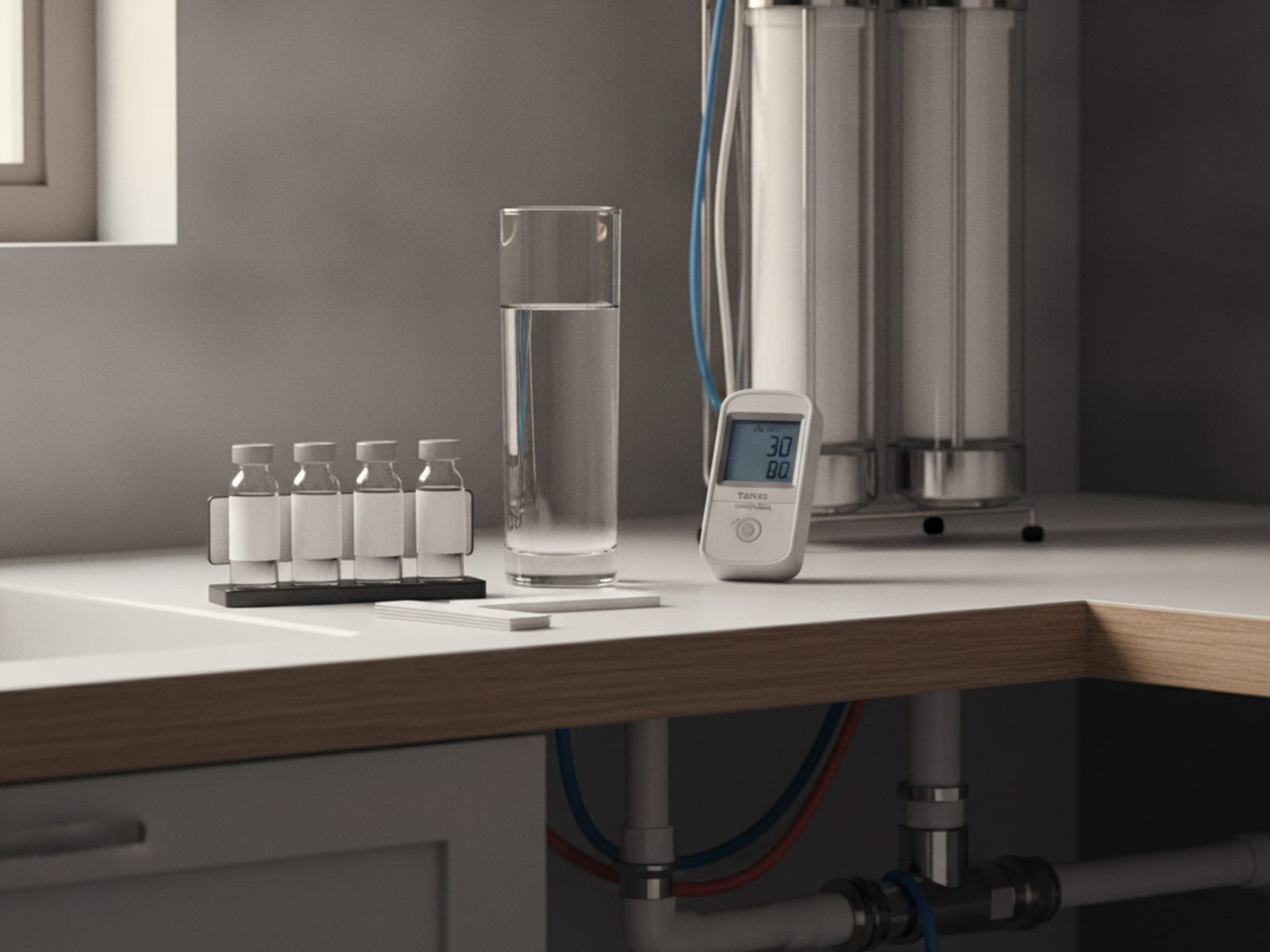
What's included in PFAS removal?
- Review of the serving utility’s current reports and notices
- Guidance to an appropriate certified laboratory for address-specific PFAS testing
- Sampling-plan review to reduce contamination and interpretation errors
- Point-of-use versus point-of-entry scope comparison
- Exact-model certified PFAS reduction claim verification
- RO efficiency, reject-water, and maintenance comparison where relevant
- Replacement-filter availability and ownership-cost review
- Referral to an independent licensed provider for a written scope and quote
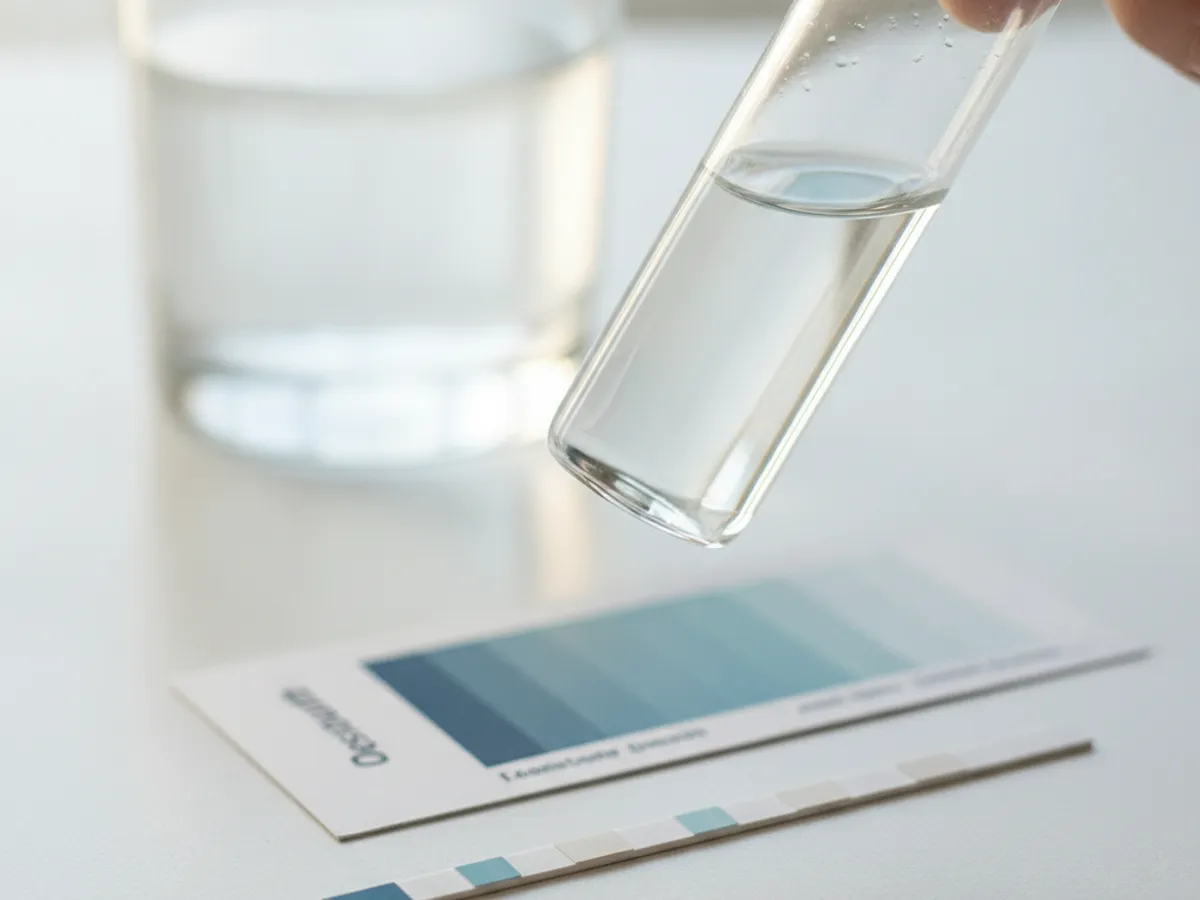
When do you need PFAS removal?
- A current utility report or notice identifies PFAS relevant to the address
- A properly collected laboratory sample reports a PFAS result
- You want a certified reduction claim for a specified PFAS at one tap
- You need to compare point-of-use and whole-home treatment scope
- You want maintenance, replacement, and water-use costs before choosing
- A health or environmental authority recommends an address-specific response
What do San Diego homeowners ask about PFAS removal?
Does water at my San Diego address have PFAS?
A citywide answer cannot establish that. Check the current report and notices from the utility serving the address; for a private well or address-specific result, use an appropriate state-certified laboratory and follow its sampling instructions.
What PFAS requirements apply to my water supply?
Requirements depend on whether the address uses a regulated public system or a private well and on current federal and state rules. Check the serving utility and current regulator guidance rather than relying on an older summary or an assumed countywide rule.
Can reverse osmosis reduce PFAS?
An exact RO model may reduce specified PFAS if it has an independently certified claim for them. NSF/ANSI 58 covers RO systems, but the standard number alone does not prove reduction of every PFAS; verify the model and listed compounds.
Can a pitcher or refrigerator filter reduce PFAS?
Some exact pitcher or appliance-filter models may carry certified claims for specified PFAS, while others do not. Search the certification listing for the exact model and compound and follow its capacity and replacement instructions.
Do I need whole-house PFAS treatment or treatment at the kitchen tap?
Choose from the verified result and the exposure pathway you intend to address. Point-of-use equipment treats one tap; point-of-entry equipment treats water entering the residence and brings greater flow, installation, maintenance, and cost requirements.
Where do we offer PFAS removal in San Diego County?
We provide PFAS removal in every city and community in San Diego County. Pick your city for local climate notes and service specifics.
See PFAS removal in all 67 cities
Need PFAS removal in San Diego County?
Call to ask about a free in-home water test and a referral to a separately licensed provider.