Reverse osmosis systems in San Diego: choose the right model for your tap
A point-of-use reverse osmosis system uses pressure and a semipermeable membrane to produce treated water and a separate reject-water stream. It usually serves one fixture, such as a dedicated kitchen faucet. The contaminants reduced, production rate, efficiency, power needs, and maintenance schedule depend on the exact model and installation. Filter Pros San Diego is a referral service. We connect homeowners with separately licensed providers who can review the treatment goal, water source, available space, plumbing, and an exact model's certified claims before preparing a quote.
Last updated April 23, 2026 · Serving all of San Diego County
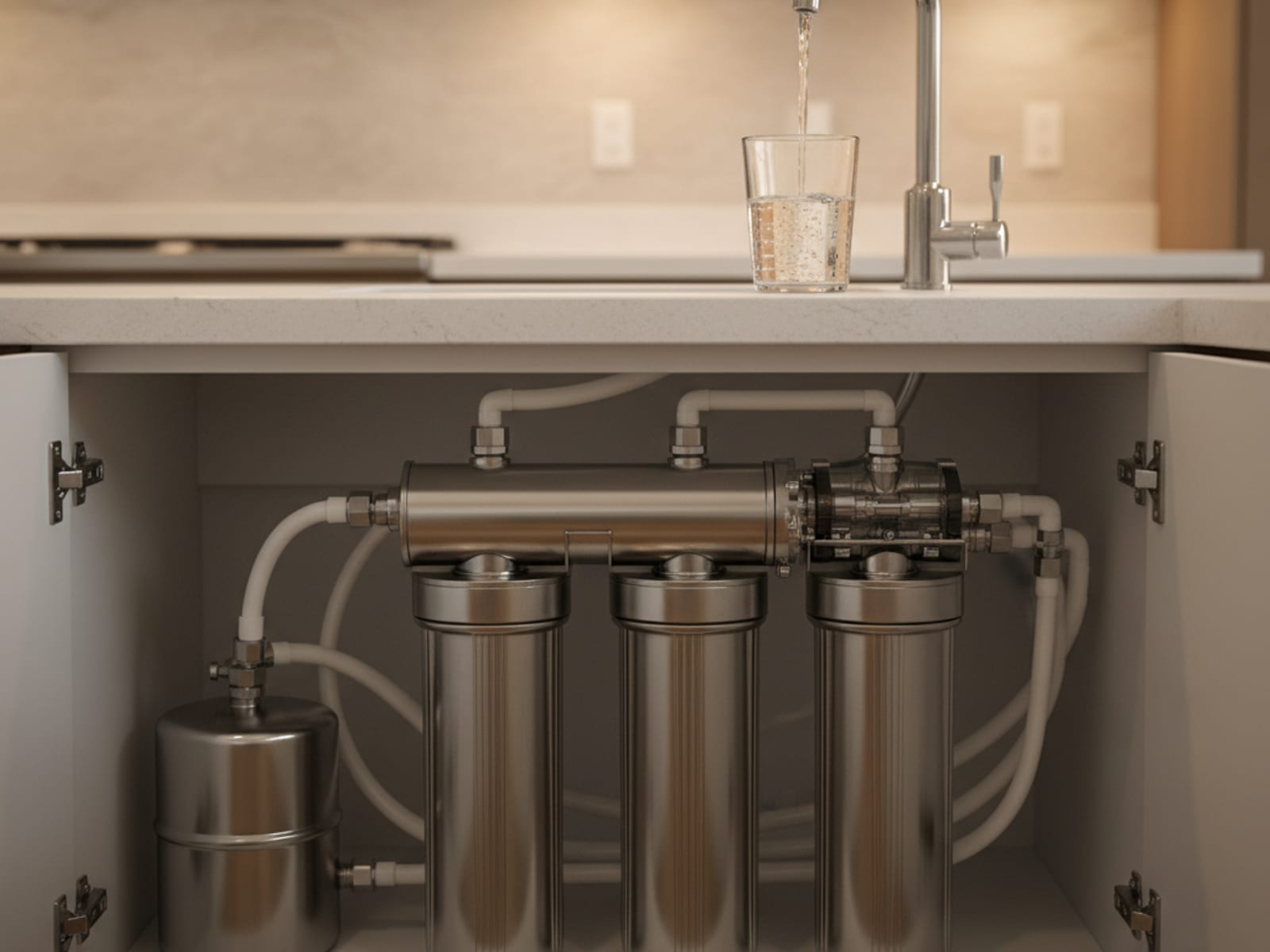
What's included in reverse osmosis drinking water?
- A free in-home water test for conditions the provider can assess, with laboratory testing discussed when the concern requires it
- A comparison of point-of-use scope, available space, plumbing connections, drain access, and household demand
- The exact system brand and model proposed for the selected drinking-water tap
- The model listing and certified reduction claims that apply to the contaminants you want to address
- Rated production, storage or tankless configuration, and any electrical or pressure requirements
- The stated reject-water rate or efficiency measure, with the metric identified so options can be compared correctly
- Faucet and refrigerator-line scope when the system and kitchen plumbing support those connections
- Manufacturer filter and membrane schedules, replacement part numbers, and expected ownership costs
- A written provider quote identifying equipment, installation work, testing, and follow-up included
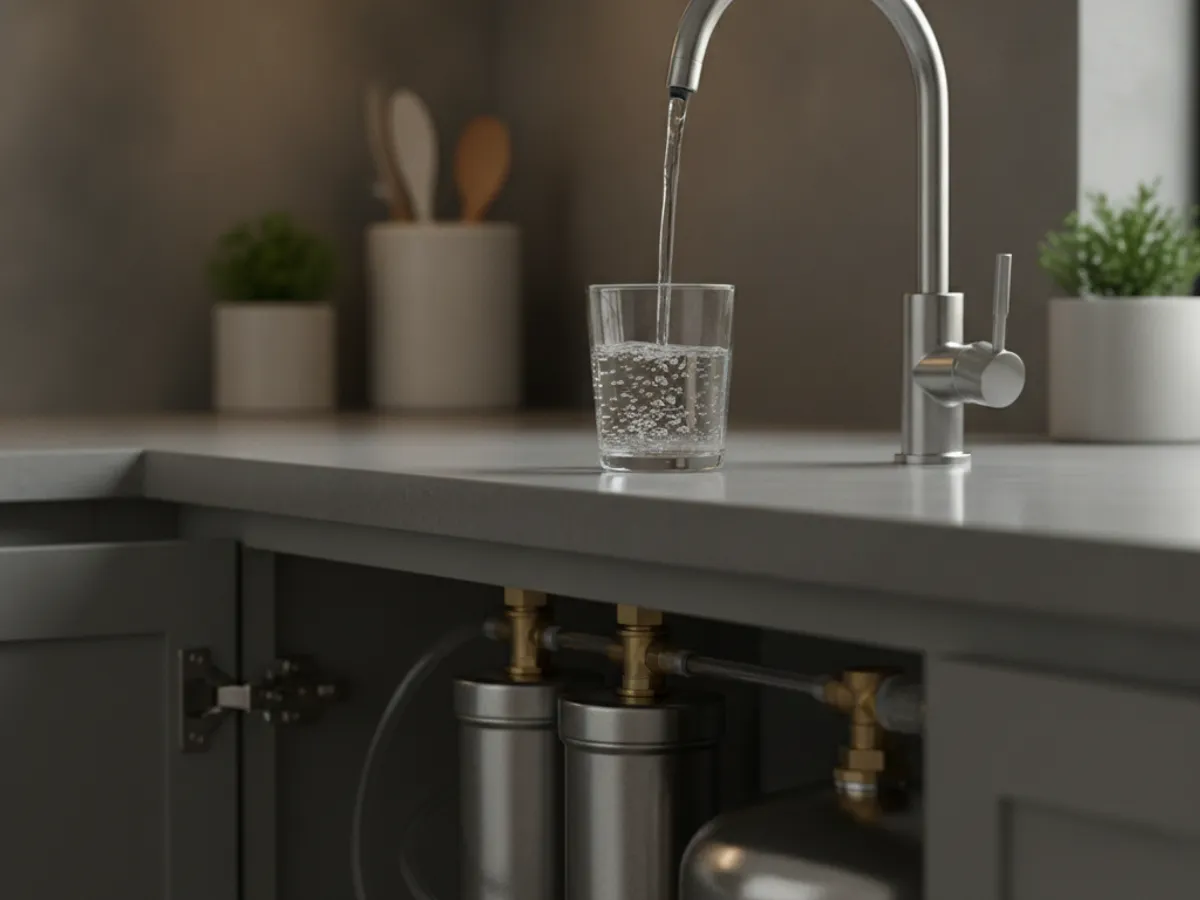
When do you need reverse osmosis drinking water?
- You want treatment at one drinking-water tap rather than every fixture in the home
- A current utility report or appropriate laboratory test identifies a concern an exact RO model is certified to reduce
- You want to compare an RO system with a pitcher, carbon filter, or other point-of-use option by certified claims
- You have enough cabinet space and suitable plumbing for the proposed system and reject-water connection
- You are prepared to follow the manufacturer schedule for filters, membrane service, and sanitation
- You want a refrigerator connection and the provider confirms the system and plumbing are compatible
What do San Diego homeowners ask about reverse osmosis drinking water?
What does a reverse osmosis system cost to run in San Diego?
Include replacement filters and membranes, any electricity required by the model, water sent to the reject stream, and provider service charges. Ask for the manufacturer's replacement schedule and part numbers in writing. The licensed provider can then price the proposed installation and ongoing service without relying on a generic average.
Is a reverse osmosis water filter better than a pitcher filter?
It depends on the concern and the exact products. Compare each model's certified reduction claims, capacity, flow, replacement schedule, installation needs, and water use. An RO system requires a reject-water connection and may require more space or plumbing work, while many pitcher filters are simpler to place and maintain.
Does reverse osmosis remove PFAS?
Some point-of-use RO systems can reduce specified PFAS compounds, but NSF/ANSI 58 certification alone is not a PFAS guarantee. Verify that the complete, exact model is independently certified for the specific PFAS reduction claim you need. Use an appropriate laboratory test when you need to establish whether PFAS is present at your tap.
Does RO remove beneficial minerals?
RO can reduce dissolved substances, including minerals, but the amount depends on the membrane, system design, and operating conditions. If taste or post-treatment mineral content matters to you, ask whether the exact model includes or supports a post-treatment stage and what that stage is designed to do. Do not use a generic RO claim to make a medical decision.
How much water does an RO system waste?
Every point-of-use RO system produces treated water and reject water. Compare exact models using the same metric: a reject-to-treated ratio is different from efficiency, which is treated water divided by incoming water. Under EPA's WaterSense criteria, labeled models demonstrate no more than 2.3 gallons of reject water per gallon of treated water under the program's test conditions. Ask for the proposed model's certified data because field performance varies.
How often do RO filters need replacing?
Follow the exact model manufacturer's schedule. Replacement timing varies with the system, incoming water, use, and operating conditions. Ask the licensed provider to list every filter and membrane part number, the expected schedule, who performs the work, and the cost in the written quote.
Can I connect my RO system to my refrigerator?
It may be possible when the RO system, pressure, distance, and kitchen plumbing support it. Ask the licensed provider to confirm compatibility and include the supply line, fittings, and any required pressure equipment in the written scope.
Where do we offer reverse osmosis drinking water in San Diego County?
We provide reverse osmosis drinking water in every city and community in San Diego County. Pick your city for local climate notes and service specifics.
See reverse osmosis drinking water in all 67 cities
Need reverse osmosis drinking water in San Diego County?
Call to ask about a free in-home water test and a referral to a separately licensed provider.