How to replace an under-sink water filter
Start with the system model and its current replacement instructions. Cartridge type, shutoff procedure and flushing requirements differ between housings, twist-lock filters and reverse osmosis systems. A general video helps explain the job, but the manufacturer’s instructions determine the parts and steps for your filter.
What you'll learn
- Find the system model and exact replacement cartridge before opening the housing
- Check the manufacturer’s replacement interval and rated capacity
- Identify the supply shutoff and pressure-release procedure for this model
- Inspect the housing and seals, then follow the specified flushing instructions
- Record the installation date and check for leaks after replacement
Step by step
- Read the model label and manual. Confirm the replacement part number, any compatible certified reduction claims and whether the task is intended for homeowner maintenance.
- Follow the manual to isolate the water supply and release stored pressure before opening any housing. RO storage tanks and powered units can require additional steps. Stop if you cannot identify the correct controls.
- Place a towel and tray under the filter. Remove the cartridge using the model-specific release method; do not force a stuck housing or use a wrench on a twist-lock cartridge.
- Inspect seals and the housing for damage. Clean or sanitize only as directed by the manufacturer, using approved materials. Replace damaged parts before restoring service.
- Fit the correct cartridge, reassemble as instructed and restore water slowly. Check the connections and housing for leaks; isolate the system and request service if a leak persists.
- Flush the new cartridge for the volume or time specified for that model. Record the change date and set the next reminder from the manufacturer’s time or capacity limit.
A calendar reminder does not prove that a filter is still reducing a particular contaminant. Follow the exact model’s capacity, operating limits and replacement instructions. If your water concern requires laboratory testing, a cartridge change alone does not verify treatment performance.
Rather have a pro handle it?
Connect with a separately licensed water-treatment provider in San Diego County. Ask about the free in-home water test.
Keep learning.
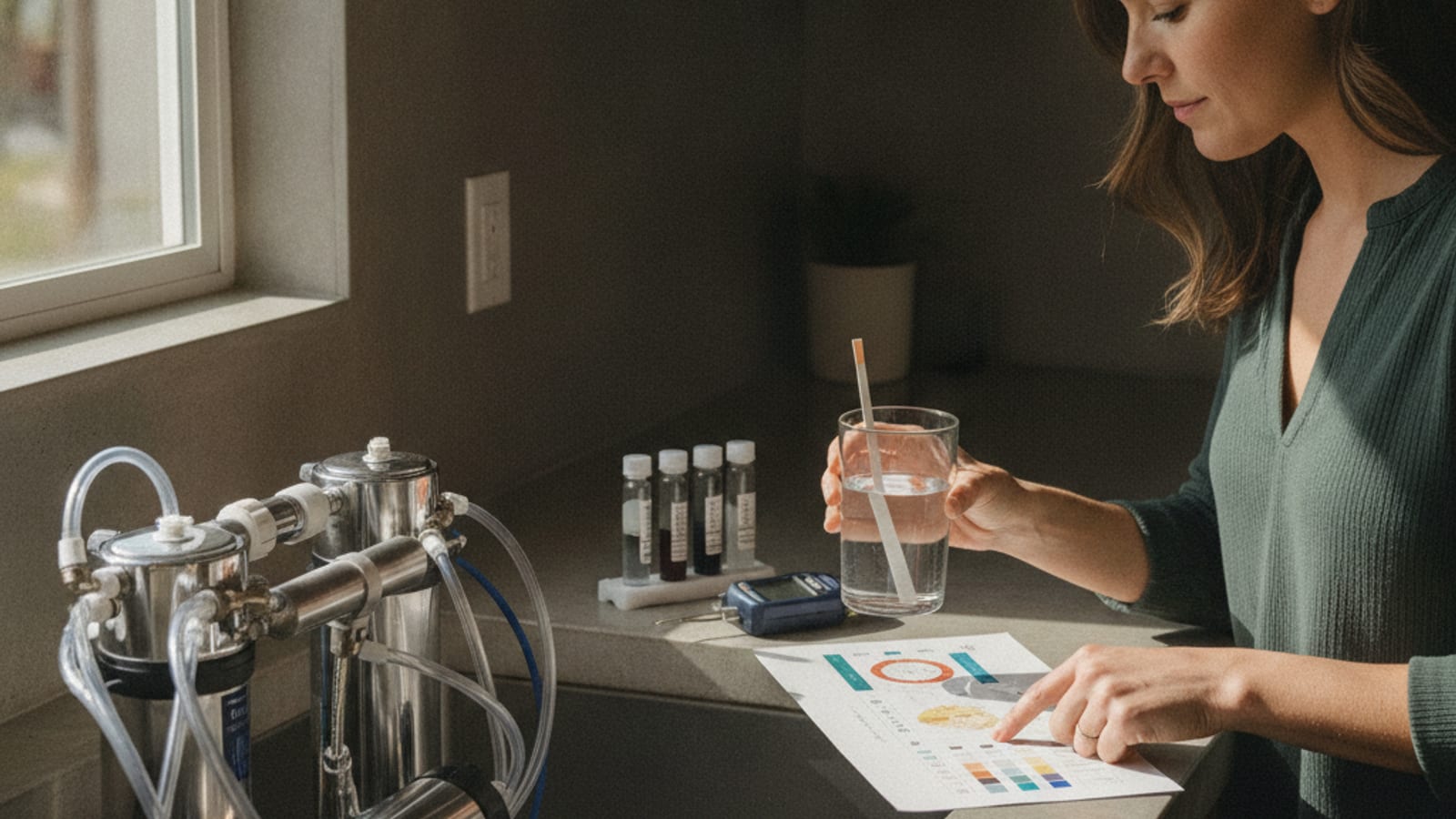
How to test your tap water at home
The City of San Diego reports that drinking water in its system averages about 16 grains per gallon and varies by area and water demand. A home test strip can provide a quick screening result for the measures listed on that kit, but it does not replace a laboratory analysis or establish that water is safe.
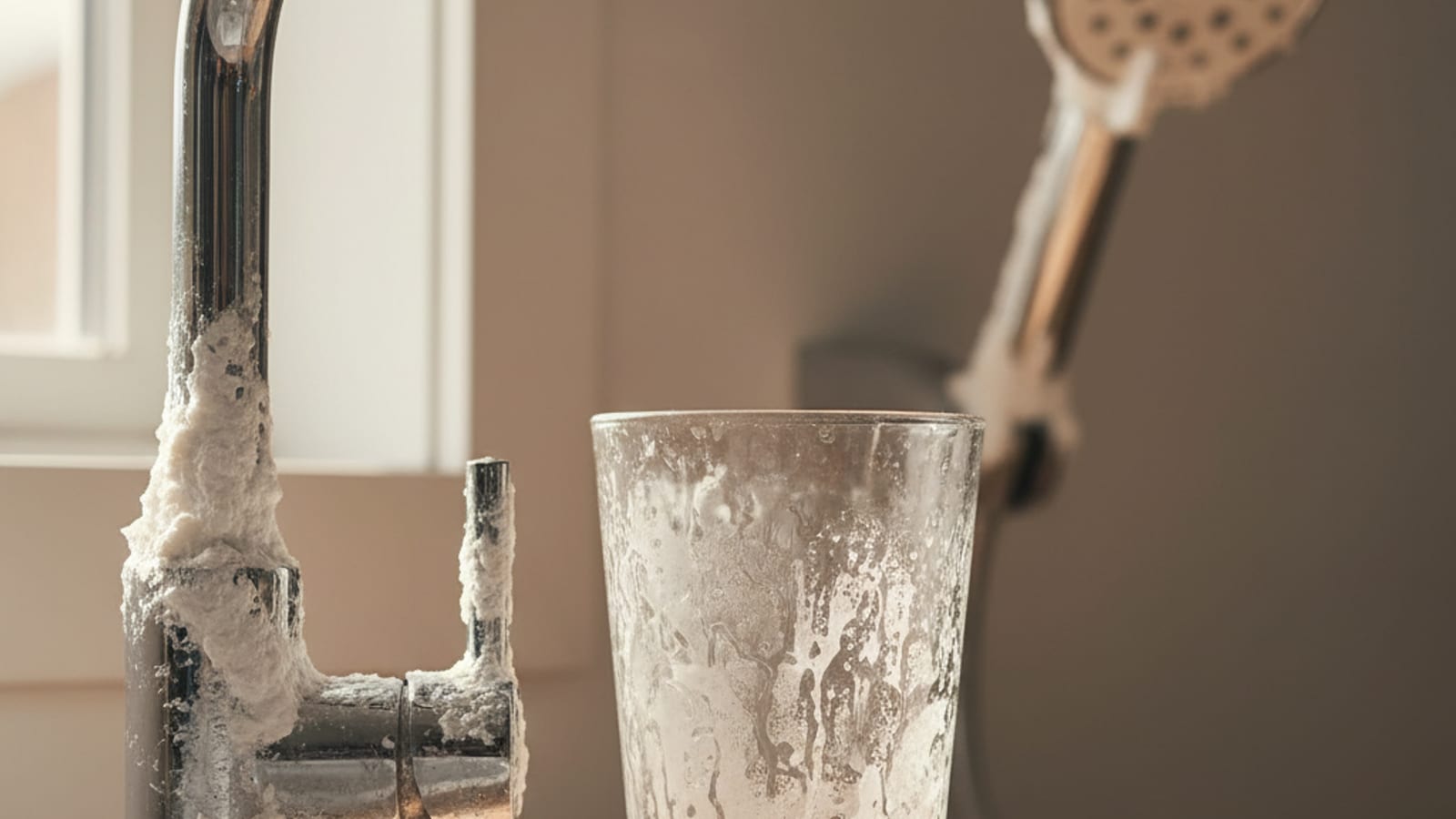
How to spot hard water in your home
Hardness minerals are not obvious from the water's smell or appearance, but scale, spotting, and changes in soap lather can provide useful clues. Those signs can have other causes, so confirm hardness with an appropriate test before choosing treatment.
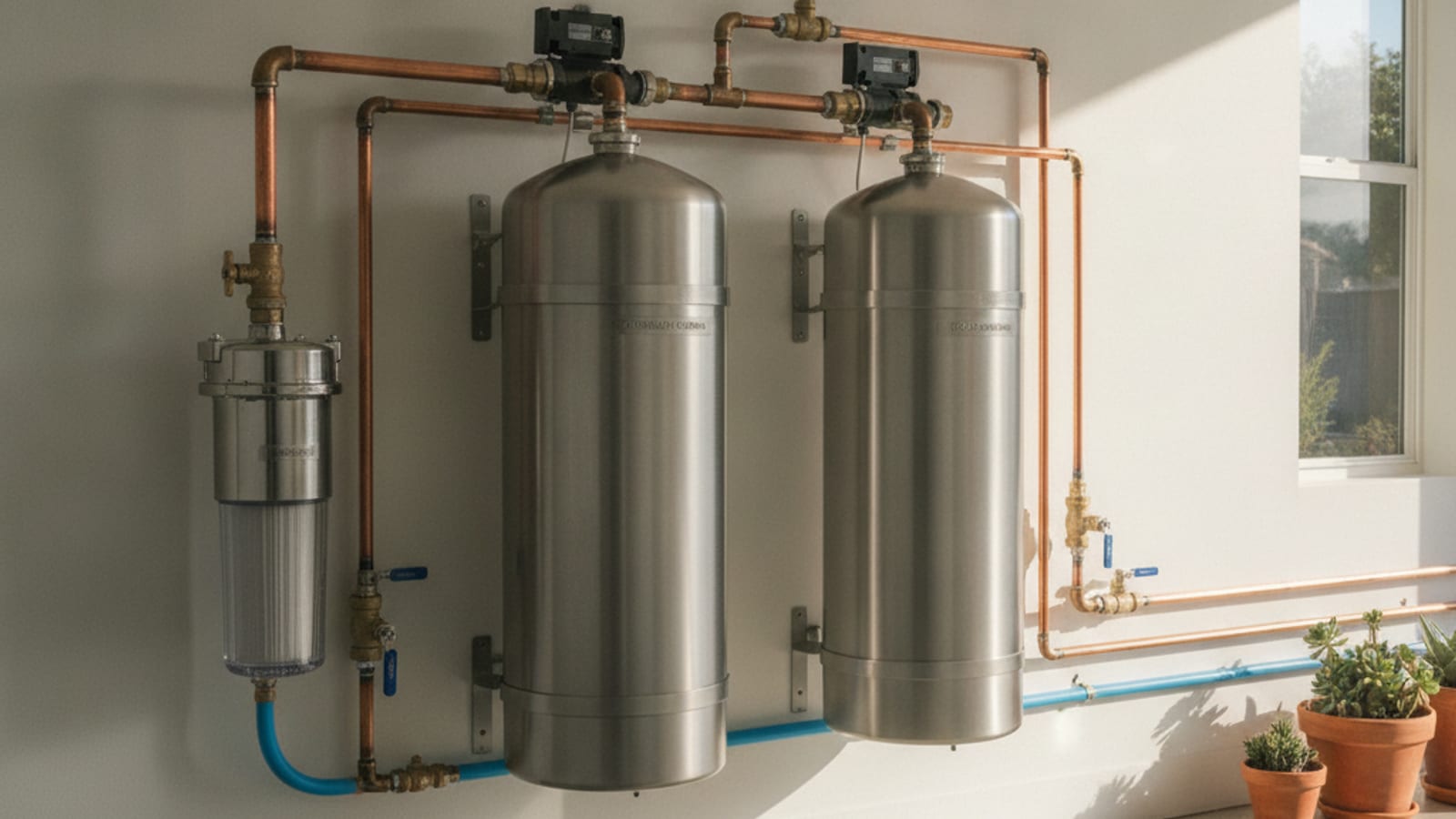
How a whole-house water filtration system works
A point-of-entry water-treatment system is installed on the line serving the home, so the fixtures downstream receive treated water. What it reduces depends on the exact equipment, media, flow conditions, and certified claims. Understanding that scope helps you compare a whole-house system with a point-of-use device at one tap.